Back to School Coloring Pages Vol-13
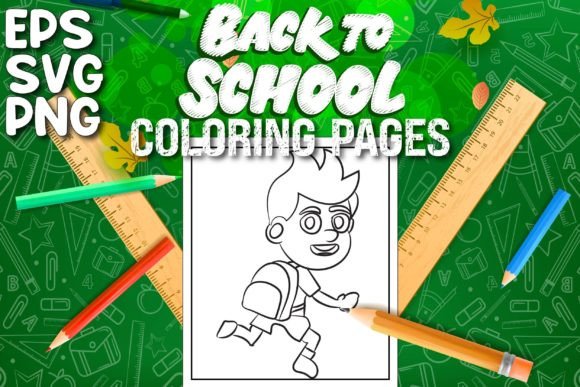
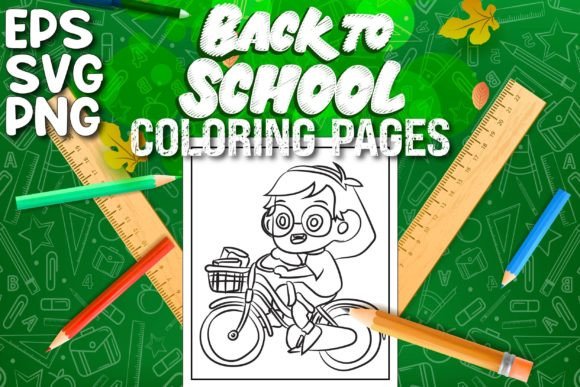
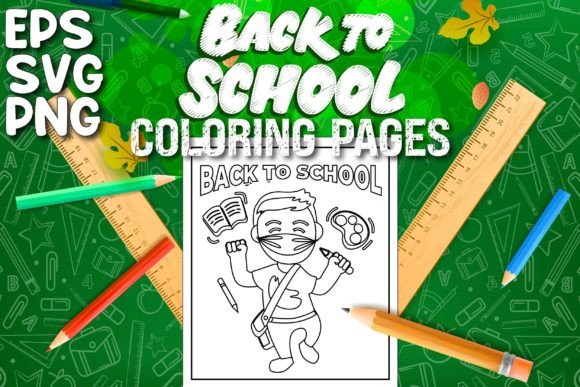
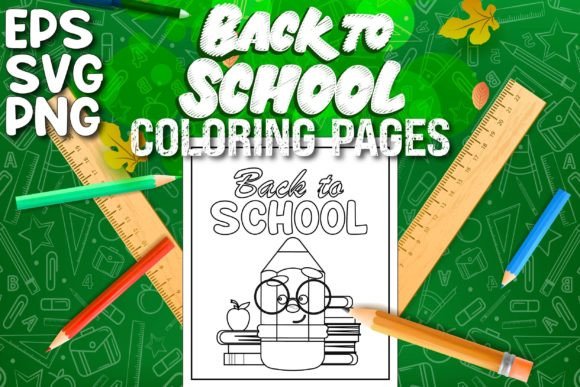
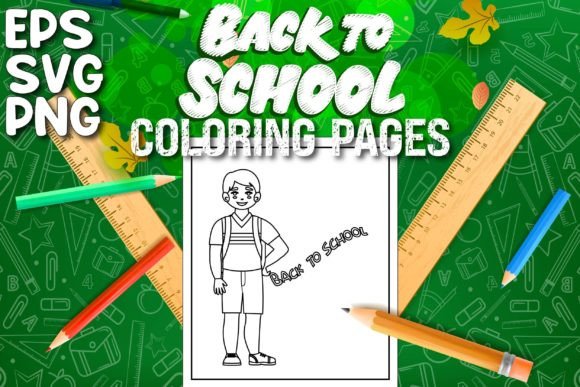
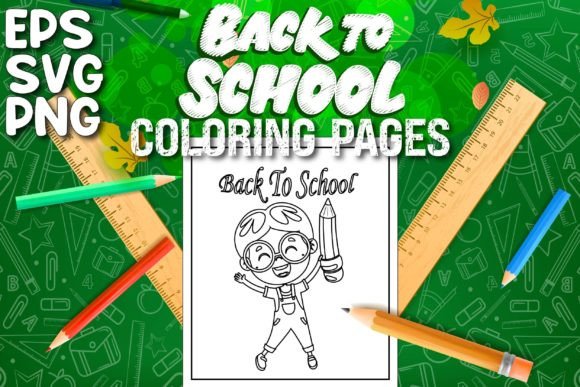
Back to School Coloring Pages Vol-13 is a collection designed to spark creativity and bring joy to young artists. Each page features vibrant, engaging illustrations that cater to a wide range of ages, from toddlers to teens. The artwork is carefully crafted to be both fun and educational, making it an ideal resource for parents, teachers, and homeschoolers alike.
The visual style of these coloring pages blends whimsical elements with clean lines, offering a balance between playful and professional aesthetics. This mix makes the designs versatile enough to fit into various creative projects, whether you're looking to print them for personal use or incorporate them into a larger branding initiative.
Visual Characteristics and Appeal
Each design in Back to School Coloring Pages Vol-13 is created with attention to detail, ensuring that every line and shape contributes to the overall charm. The use of bold outlines and clear structures makes the pages easy for kids to color while maintaining a level of sophistication that appeals to older children and even adults.
The color palette is intentionally chosen to be both inviting and adaptable. Bright, cheerful hues encourage imagination, while neutral tones provide a more subdued option for those who prefer a minimalist approach. This flexibility allows the pages to be used across different settings, from classroom activities to at-home relaxation.
The overall appeal of these pages lies in their ability to engage children while also serving as a valuable tool for developing fine motor skills, focus, and creativity. Whether used as a gift or a daily activity, they offer a meaningful way to spend time together.
Applications Across Creative Projects
Back to School Coloring Pages Vol-13 is not just for kids—it's a valuable asset for designers, educators, and small business owners looking for unique, high-quality content. The collection includes SVG, EPS, and PNG formats, making it easy to integrate into digital and print projects. These files are scalable and maintain clarity at any size, ensuring that the designs look great no matter how they're used.
For graphic designers and marketers, these pages can serve as inspiration for social media graphics, promotional materials, or even as part of a brand’s visual identity. The clean, structured layouts make them ideal for editorial design, packaging, or web design elements where a touch of creativity is needed without overwhelming the viewer.
Teachers and educators can benefit from the practicality of these pages. They can be printed and distributed as classroom activities, homework assignments, or even as part of a back-to-school welcome package. The high-resolution images ensure that each printout looks sharp and professional, regardless of the printer used.
Choosing the Right Font for Your Project
While the coloring pages themselves are visually appealing, the typography used in accompanying text or labels can significantly impact the overall design. Choosing the right font is crucial for maintaining consistency and enhancing readability.
For projects that require a more formal or traditional feel, a serif font might be the best choice. Serif fonts like Times New Roman or Georgia add a sense of elegance and professionalism, making them ideal for academic or educational materials. On the other hand, a sans-serif font such as Arial or Helvetica offers a modern, clean look that works well in digital environments or for younger audiences.
If the goal is to create a more personal or artistic feel, a script or handwritten font could be a great option. These fonts add a unique touch and can be especially effective when paired with the whimsical illustrations found in Back to School Coloring Pages Vol-13. However, it's important to ensure that the font remains legible, especially when used in larger sizes or alongside detailed artwork.
Font Pairing and Design Considerations
When working with typography, it's essential to consider how different fonts interact with one another. A well-chosen font pairing can enhance the visual hierarchy of a design, guiding the viewer’s eye through the content in a logical and aesthetically pleasing way.
For example, pairing a bold, display font with a simple, sans-serif font can create a strong contrast that draws attention to key elements. This technique is particularly useful in logo design or marketing materials where clarity and impact are important. Alternatively, using two complementary fonts—such as a serif and a script—can add depth and character to a project without overwhelming the viewer.
It's also important to test how fonts look in different contexts. What works well on a website may not translate as effectively to a printed document. Always review the font in its intended environment to ensure that it meets the project's needs and maintains a consistent, professional appearance.
For commercial use, it's crucial to check the licensing terms associated with any font. Some fonts may have restrictions on how they can be used, especially if they're part of a larger brand identity or product line. Always verify that the font you choose is suitable for your specific project and that you have the necessary rights to use it.